Trending


A small flat teaches you to look at walls differently. The 30cm gap beside the chimney breast, the strip of plaster between the bathroom door and the corner, the space above the radiator — these are where storage actually lives. Shelving is usually the cheapest way to make use of them, and the hardest part is choosing which kind. Wall-mounted, freestanding and over-door options solve very different problems, and the right answer depends less on style than on your walls, your tenancy and what you plan to put on them.
Work backwards from the contents. A shelf for paperbacks has different requirements from one holding cast-iron pans, and a rack for loo rolls barely needs fixings at all. Before you compare anything, write a short list:
Then measure properly. Note the width of the gap, the height from the floor or worktop, and the depth you can lose without clipping a doorway. Leave a comfortable walking route — roughly 700–800mm reads as generous in a narrow hallway, less than that starts to feel like a squeeze. Check what is already on the wall: radiators, sockets, light switches, thermostats and boiler pipes all limit where a bracket can go. Finally, watch the door swing. A shelf that looks fine on paper can end up clipped by an opening door every morning.
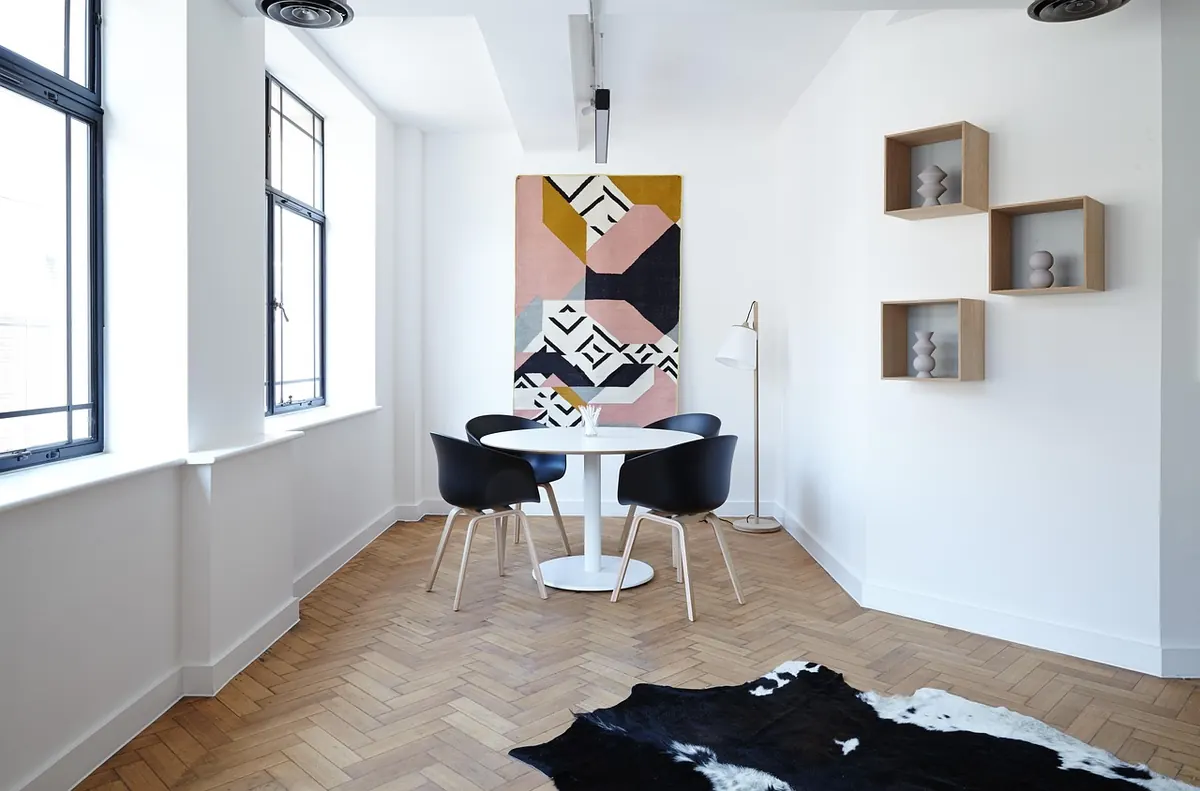
Wall-mounted shelves take nothing from the floor, which is why they win in small rooms. The main types are bracket shelves, where you see the support, floating shelves with a hidden bracket or French cleat, picture ledges for lightweight displays, and adjustable track systems where the brackets slot into a vertical rail. That last option is worth the extra cost if you expect your storage needs to change, because you can move shelves up and down without new holes.
Success is mostly about fixings, not the shelf itself. Use a detector to find timber studs or joists and screw into those wherever possible. On plasterboard, hollow-wall fixings can hold a decent amount, but for anything heavy — a full row of books, a stack of pans — it is safer to fix a timber batten across two studs and mount the brackets onto that. On solid brick or stone, drill with a masonry bit and use proper wall plugs. A shelf that sags in the middle usually spans too far for its thickness; shorter spans and an extra support solve it.
Most tenancy agreements permit small fixings and picture hooks, but not always, so read yours and put anything unclear to your landlord or letting agent in writing before you drill. Keep the holes modest, keep the plugs and screws, and plan to fill and touch up the paint when you leave. If you would rather not drill at all, a picture-rail-hung shelf or a tension-mounted system can work in some flats — check the rail can take the load.
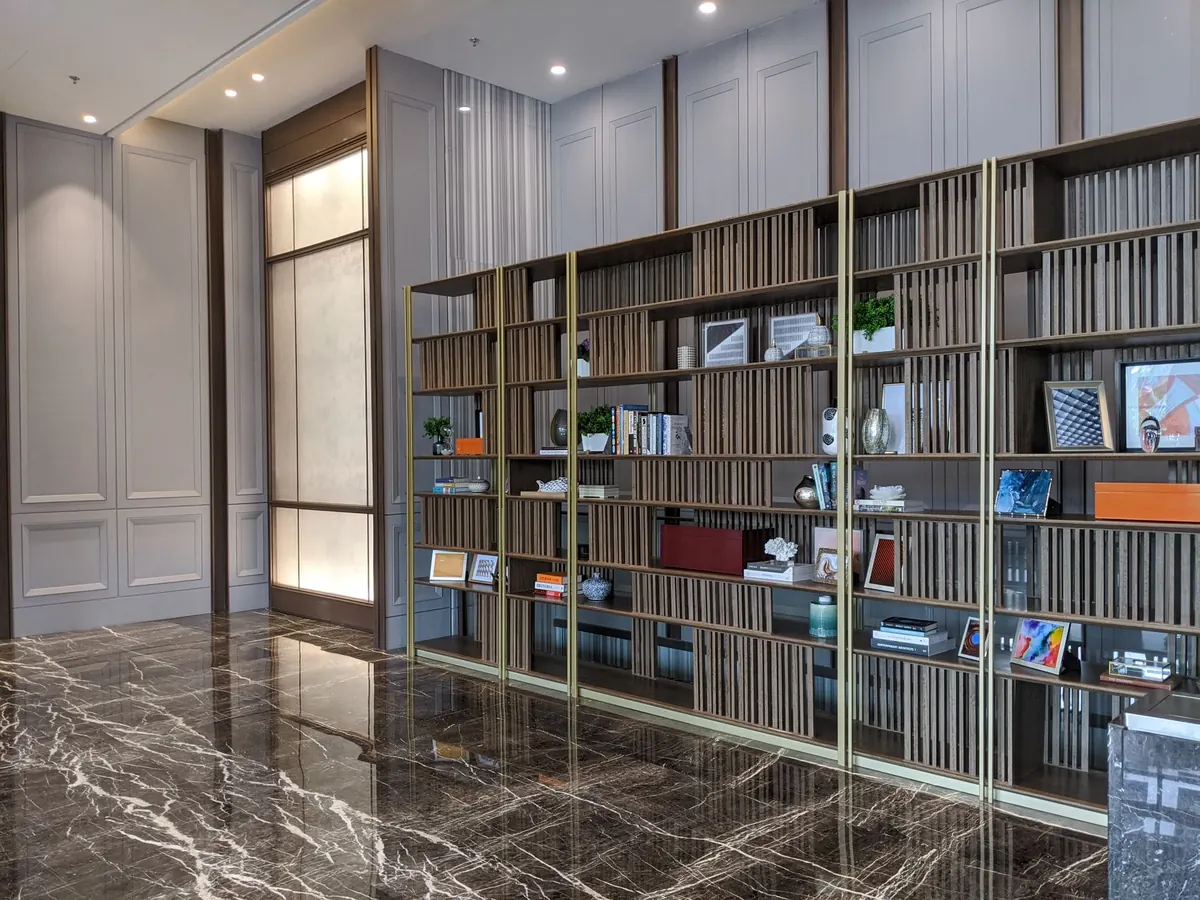
Freestanding units ask nothing of your walls, which makes them the obvious choice for renters and for anyone whose walls are lath-and-plaster or otherwise unforgiving. Good options for tight flats include narrow cube units, slim bookcases around 20–30cm deep, ladder shelves that lean against the wall, metal shelving with adjustable heights, corner units that turn dead space into usable space, and rolling trolleys that tuck beside the fridge and pull out when you need them.
The trade-offs are floor space and stability. A tall unit eats the corner it stands in and can make a small room feel narrower, so favour pale finishes and open-backed designs that let light through. Always use the anti-tip strap or wall bracket supplied with the unit — a loaded bookcase is genuinely dangerous if it goes over, especially with children or pets in the flat.
Measure the doorway and the stairwell before you buy, not after. A 90cm-wide unit will not go through a 76cm door frame, and a boxed flat-pack will not turn on a narrow landing easily. Check the ceiling height too: some shelving is designed to stand under a window sill or a sloping wall.
Over-door racks hang on the top edge of a door and give you storage without touching the wall or the floor. You will find hook racks for coats and bags, fabric pocket organisers for shoes and accessories, and shelf units that hook over the door with two or three tiers. They are ideal for light, bulky items: cleaning cloths, toiletries, scarves, laundry supplies, kids' shoes.
Two practical points. First, the door must still close freely — over-door hooks need a small gap above the door, and some doors sit too tightly in the frame. Second, weight pulls on the hinges over time, so keep the load light and spread it evenly. Never hang anything on a fire door or on a flat entrance door that must close on its own; fire doors need to shut fully and stay unobstructed. If a door is off limits, the same racks often work inside a wardrobe or on a cupboard door, where nobody notices them.
Depth and spacing matter as much as the format. Measure your tallest book or tin and add a couple of centimetres of clearance, and set shelf gaps accordingly rather than guessing. Adjustable shelving is forgiving; fixed shelves are not.
Pick one wall or one corner and one category of clutter. Measure it, decide whether drilling is allowed, and choose the format that fits that answer: wall-mounted if you have solid fixing points and permission, freestanding if you do not, over-door if the space is genuinely door-shaped. Buy the fixings before the shelf, load it lightly at first, and give it a week before you commit to a second one. Small flats get organised one honest shelf at a time.
Photo: Alexas_Fotos / Pixabay